
Our Charlotte Mason Approach to Education
City School embraces Charlotte Mason’s philosophy of education, the aim of which is to train and educate the whole child in mind, body, and spirit.
Our approach begins from a foundation of truth: that all children are created in the image of God and therefore are eager to learn about Him and His creation. We aim to create a beautiful and orderly environment and develop character through habit-building.
Additionally, we challenge our students with a rich, living curriculum that leads them outward toward the world. Each of these principles is distinct but overlaps with the others, and when exercised in unison, they are mutually reinforcing.
A Curriculum to “Lead Out”
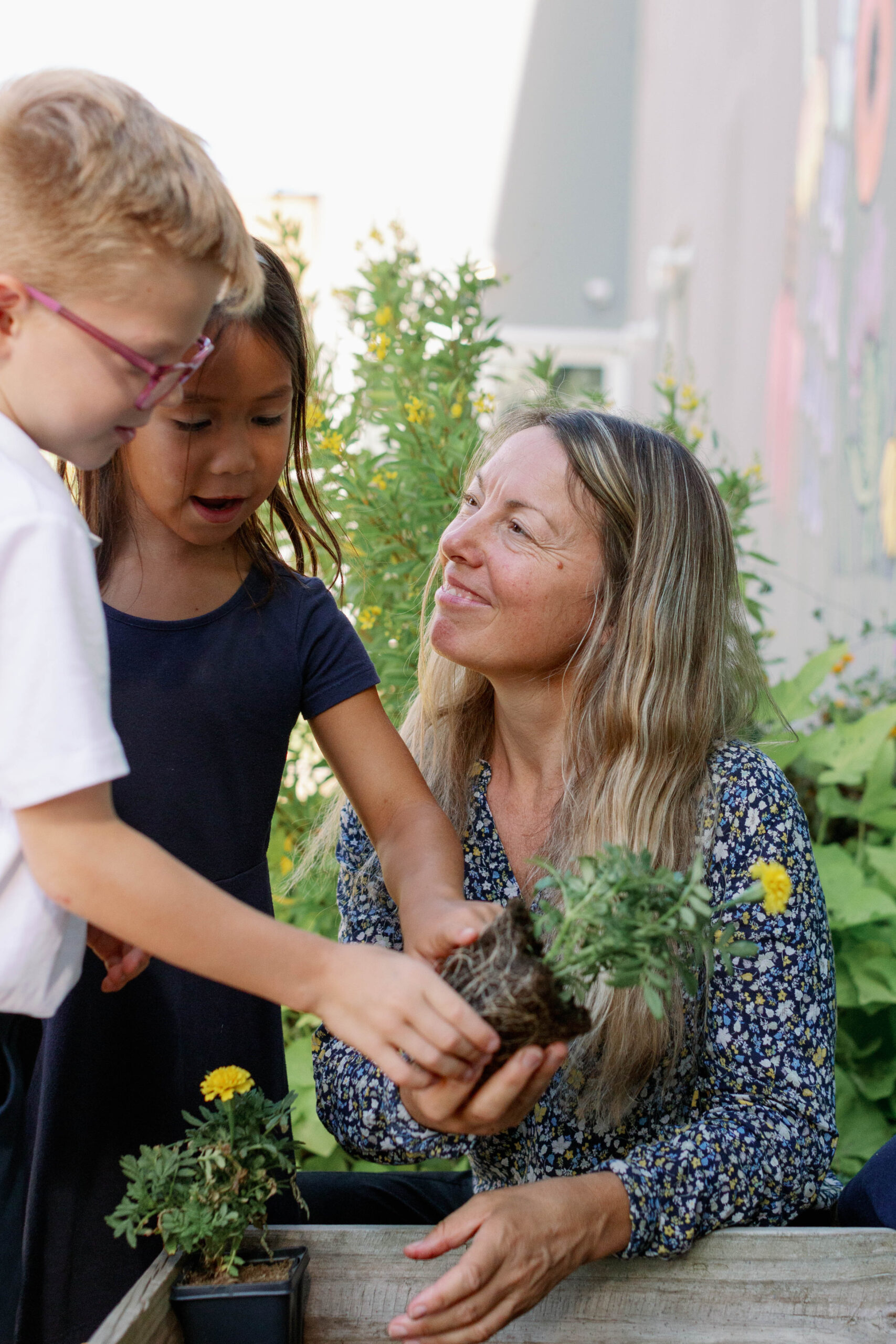
The word educate means “to lead out” and we aim to turn students outward toward the world by engaging them with big ideas that highlight connections across disciplines. Practically, we build concepts through short & digestible lessons, hold students accountable for their learning through frequent recall, read “living books,” and instruct students in a broad selection of the arts.
What is a Charlotte Mason Education?
A Rich And Varied Education
Charlotte Mason believed children deserve a rich and varied education. Through literature, mathematics, science, history, art, music, and time in nature, students encounter ideas that help them understand God’s world and their place in it.
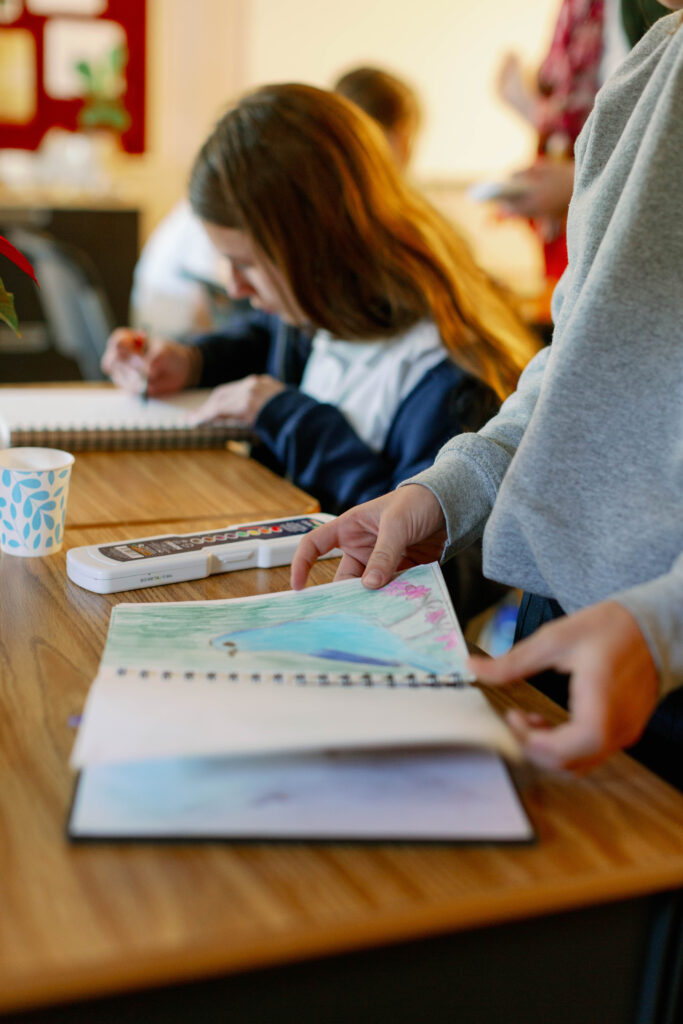
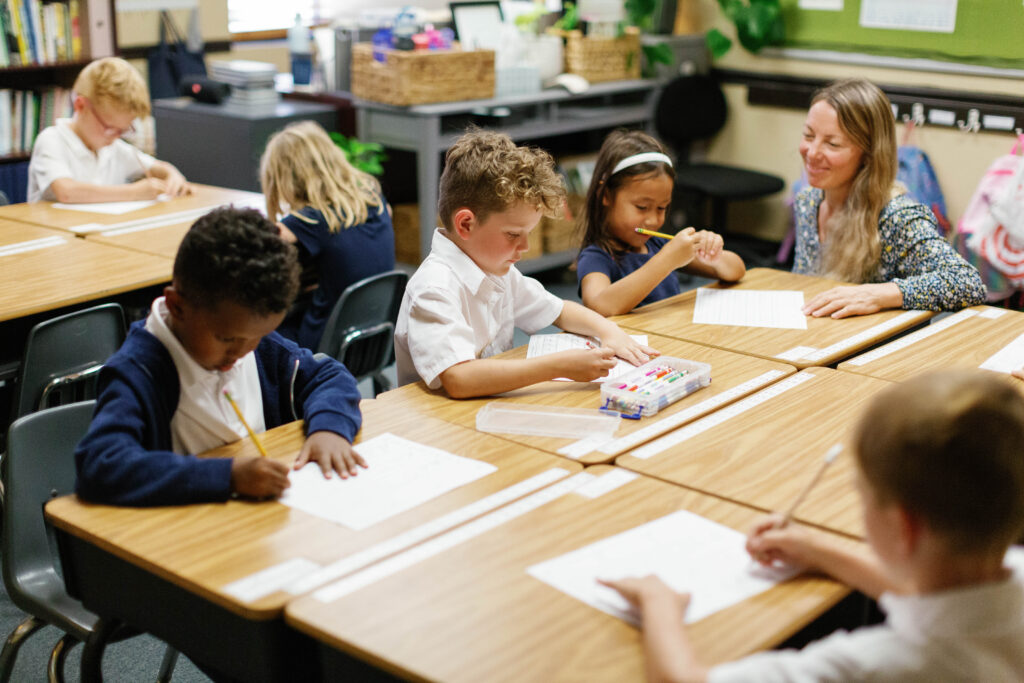
At City School, short, focused lessons and opportunities to listen, observe, discuss, and create encourage children to take an active part in their learning.
The atmosphere also grows from how we treat one another. Teachers model care and respect, guide students through challenges, and help them practice living and learning in community.
Children learn from their surroundings and the people around them. We seek to create beautiful, orderly classrooms where books, artwork, and materials invite curiosity.
An Atmosphere for Learning
Our teachers guide students in these habits, helping them become increasingly responsible for their work and considerate of others.
Attention, responsibility, perseverance, and kindness grow through daily practice. Listening while someone else speaks, caring for classroom materials, and returning to a difficult task are all part of a child’s education.
Habits That Build Character
Living Books & Narration
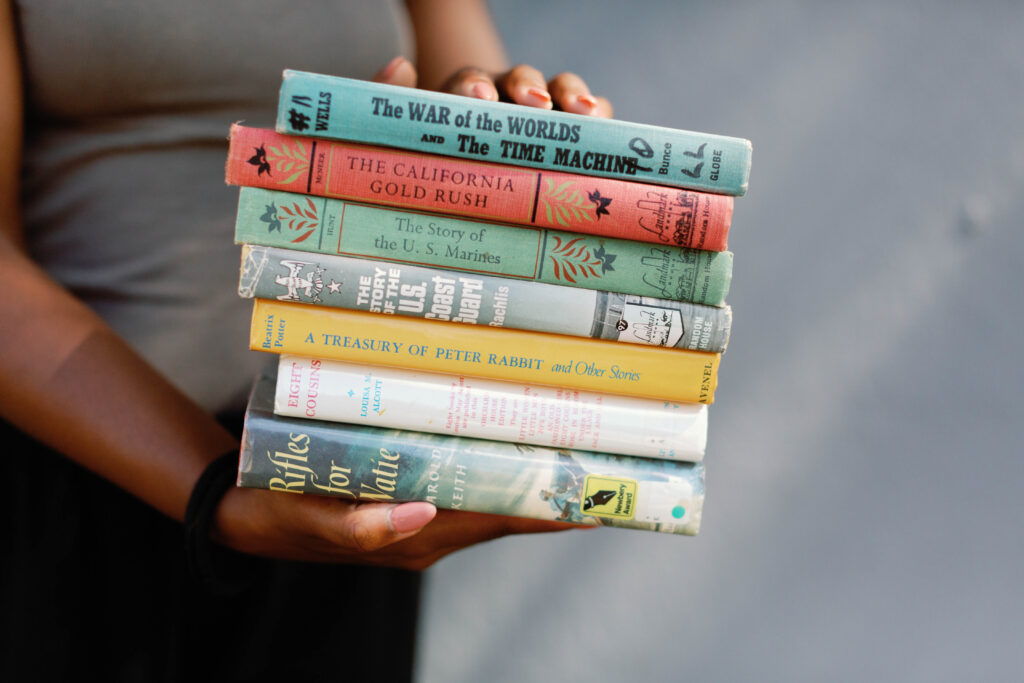
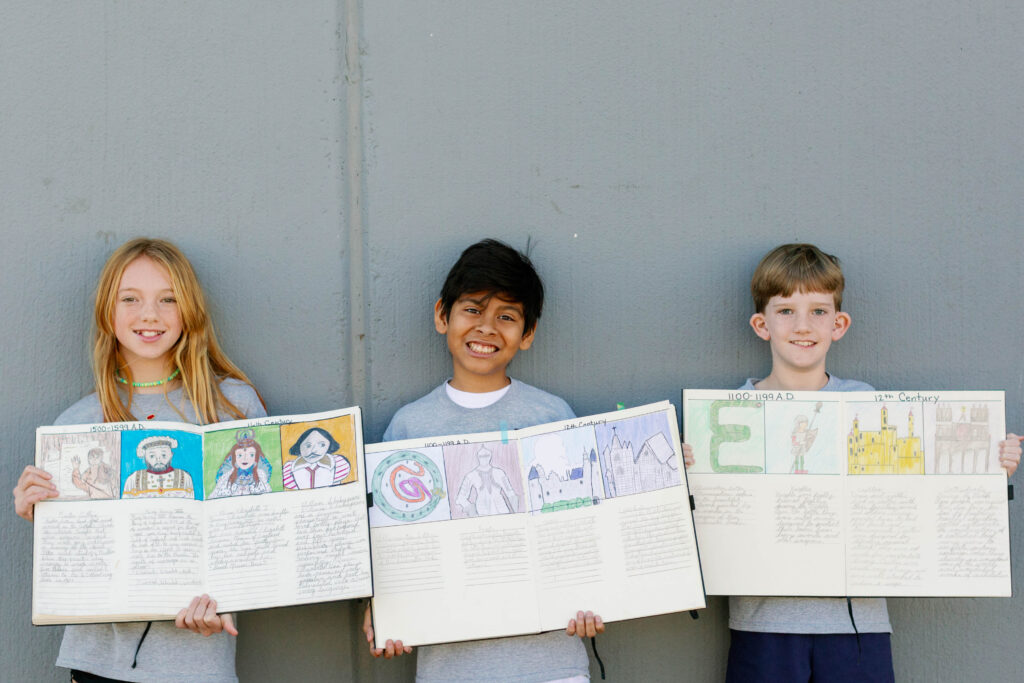
We use “living books”: books written with engaging language and ideas that draw readers into a subject. Students encounter history through stories of people and places, explore scientific discoveries, and spend time with literature worth discussing.
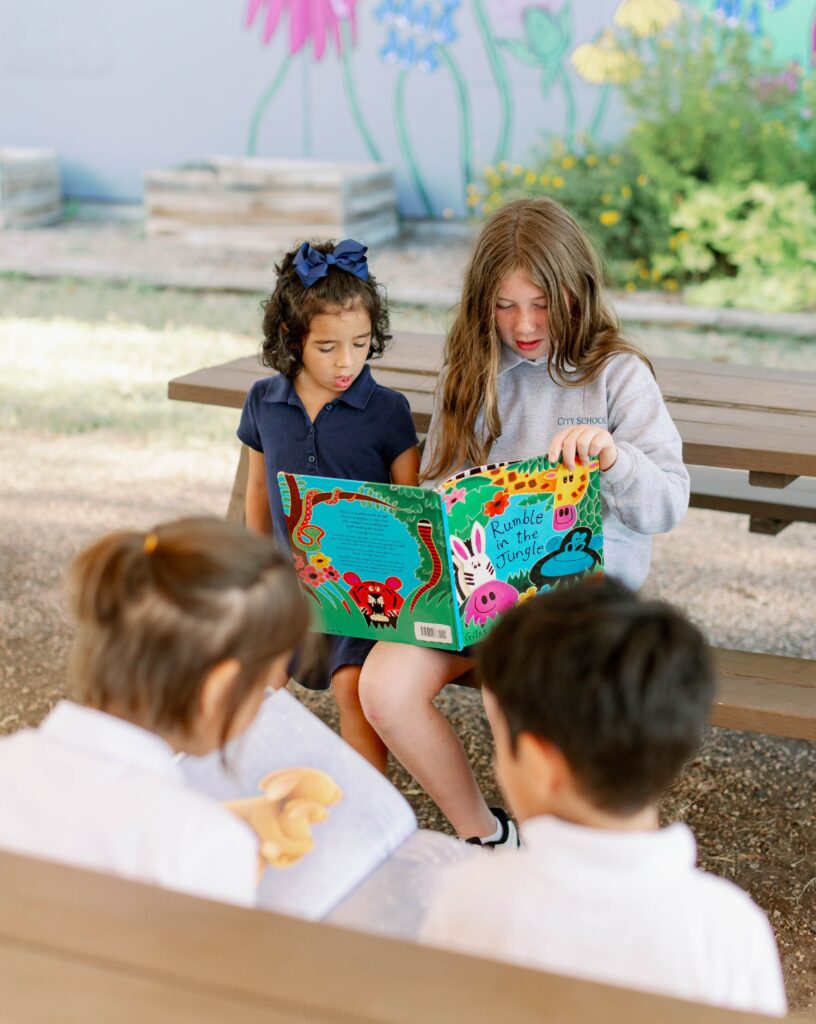
After listening or reading, students tell back what they remember in their own words. This practice, called narration, encourages careful attention and gives students opportunities to organize and express their understanding.
Students spend time outdoors noticing God’s creation and recording discoveries through words and drawings. These experiences give them firsthand connections to the natural world and invite further questions.
Nature study begins with looking closely. A leaf, a bird, or a change in the season offers something to observe, describe, and wonder about.
Nature Study & Outdoor Learning
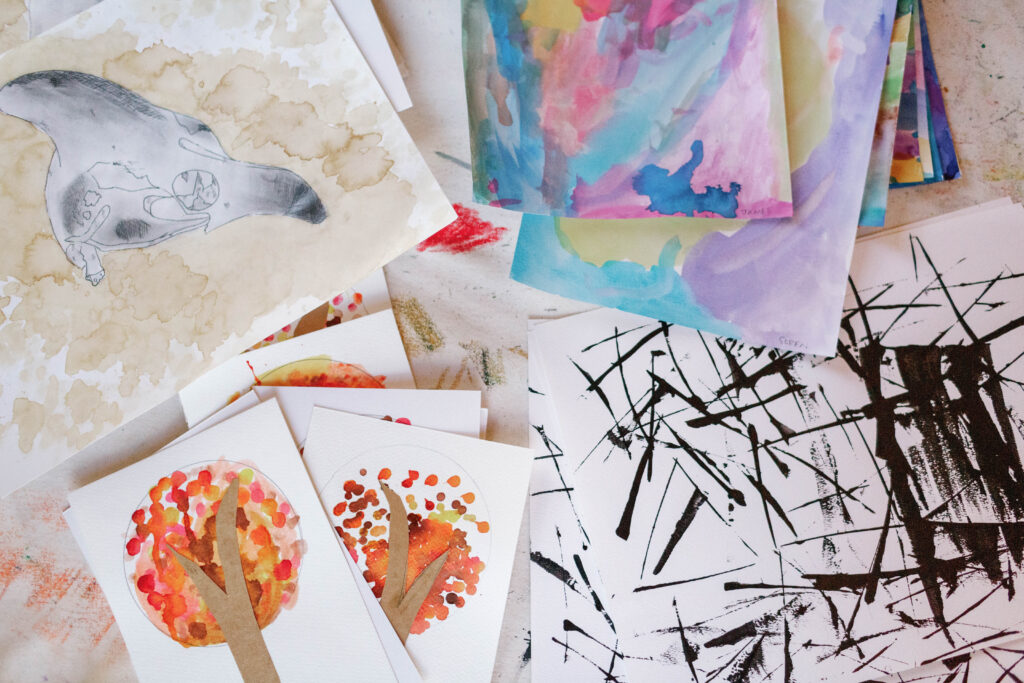
Looking closely at a painting, listening attentively to music, or bringing a character to life gives students different ways to understand and respond to ideas.
Art, music, poetry, and Shakespeare are part of our students’ education. Children encounter works by artists, composers, and writers while developing their own skills through drawing, making music, recitation, and performance.
A Place For The Arts
Faith in
Everyday
Learning
Our Christian faith shapes the school day through Bible reading, Scripture memory, prayer, worship, and service.
Students are encouraged to connect what they learn with how they live: caring for their neighbors, using their gifts responsibly, and growing in love for God and others.
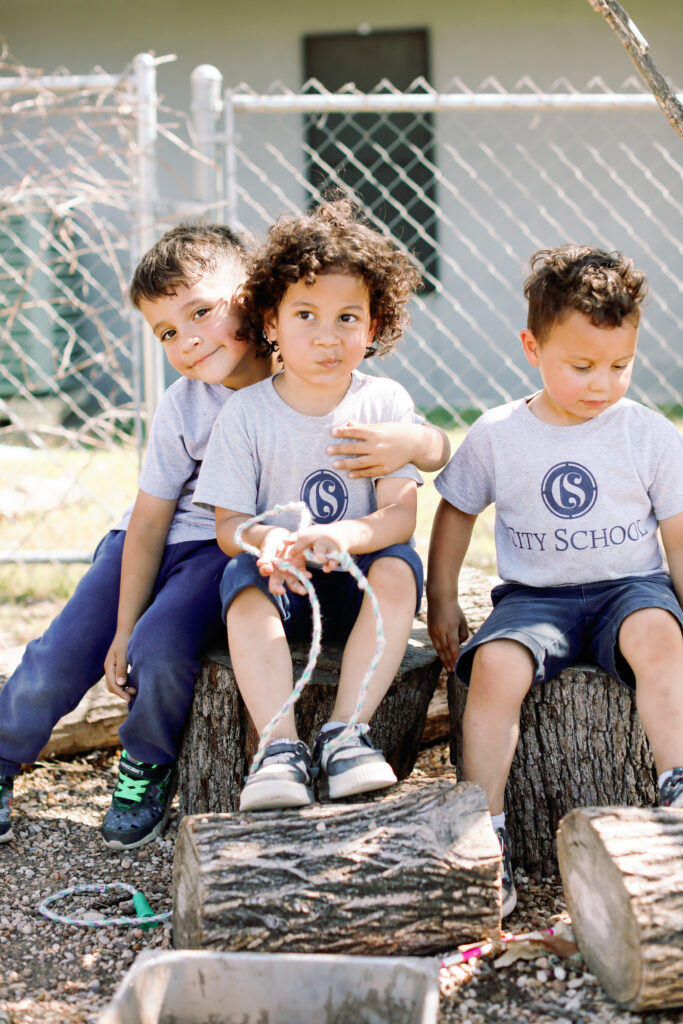

“We are very tenacious of the dignity and individuality of our children.”
– Charlotte Mason
Who Was Charlotte Mason?
Charlotte Mason (1842–1923) was a British educator who invested her life in improving the quality of children’s education. During her early years as a teacher, she began to develop her vision of “a liberal education for all.” The word “liberal,” as it related to education in Mason’s time, implied a broad curriculum for all children, regardless of social class. Her philosophy begins from a Biblical worldview that children are people, not vessels to fill, and we ought to educate them as whole persons: mind, body, and spirit. Ms. Mason believed that to become a master the student should incorporate techniques of the masters into his/her own practice. (As such, students in every grade at City School study great works by master artists, poets, & composers.)
Charlotte Mason Resources
For the Children’s Sake by Susan Schaeffer Macaulay
When Children Love to Learn by Elaine Cooper
See Our Approach In Action
The best way to get to know City School is to visit. Step into our classrooms, see student work, and ask the questions that matter to your family.